When I first stepped into a chemistry lab, I remember feeling both excited and overwhelmed. The shelves were lined with equipment I’d only seen in textbooks: flasks, burettes, test tubes — all these mysterious tools for chemistry that I would eventually need to master. It was fascinating but intimidating. Over time, I realized that understanding these tools and how to use them effectively was one of the keys to becoming confident in chemistry.
Whether you’re studying for a high school exam, working on your first research project, or preparing a dissertation, having the right tools in chemistry and knowing their purpose is essential. And if you’re juggling multiple assignments alongside lab work, exploring resources like best dissertation writing services can help you stay on track with your studies while you focus on mastering your lab work. In this article, I’ll share my insights into the Top Chemistry Tools every student should know, from essential lab equipment tools to digital resources and helpful chemistry websites.
Essential Chemistry Lab Tools and Equipment
Let’s start with the basics: the chem lab tools you’ll find in almost every chemistry class or research lab. These are the building blocks of any experiment, and understanding how to use them properly makes all the difference.
1. Beakers and Flasks
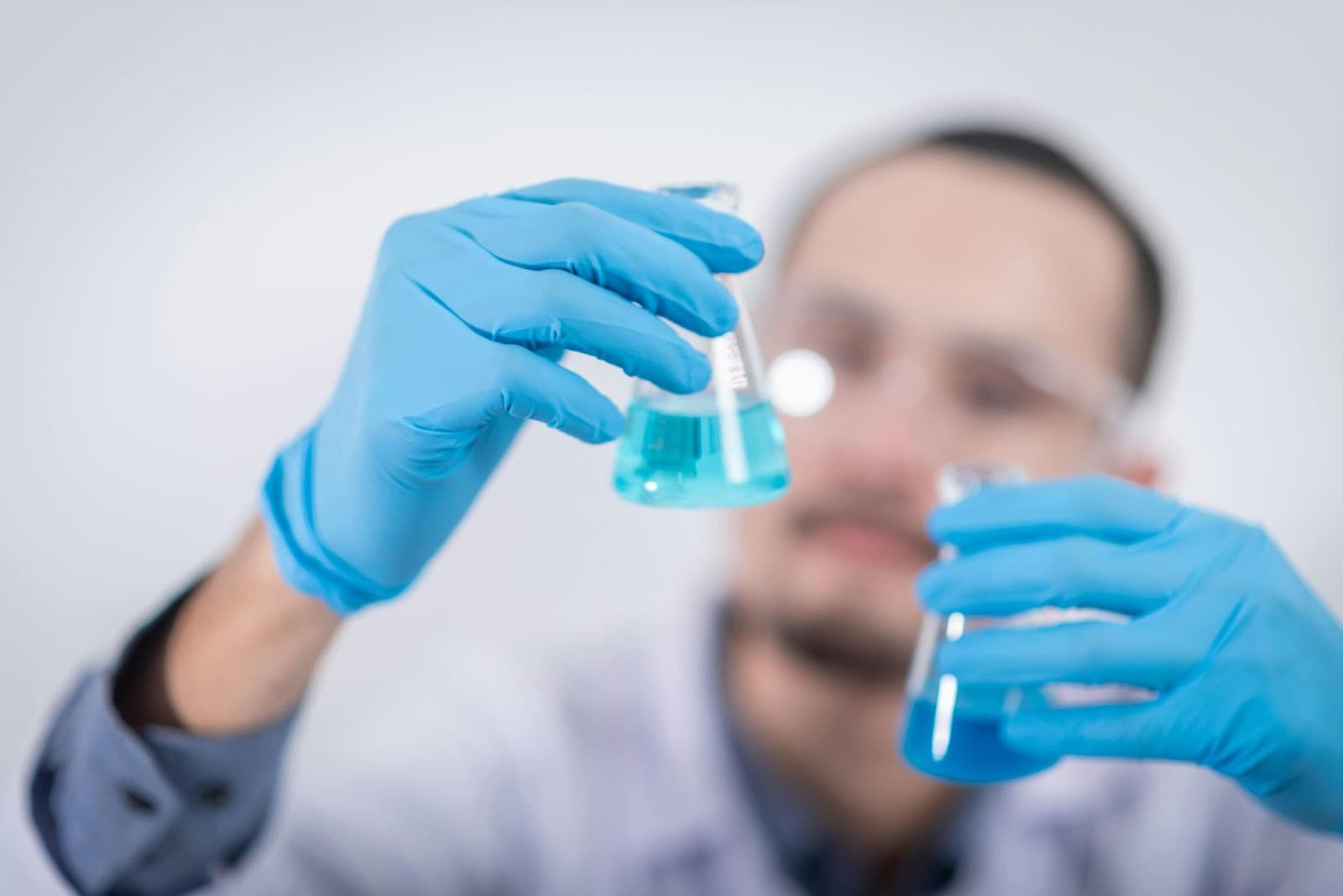
Beakers and flasks are probably the first tools used in chemistry that you’ll come across. Beakers are ideal for mixing solutions, heating liquids, and measuring approximate volumes. Erlenmeyer flasks, with their narrow necks, are perfect for holding liquids during titrations or chemical reactions. The variety of chemistry tools and names — from Florence flasks to volumetric flasks — might seem overwhelming at first, but trust me, they quickly become second nature.
2. Test Tubes and Racks
Test tubes are a staple chemist tool. They’re used for small-scale reactions, heating substances, or observing changes like color or precipitation. Test tube racks, on the other hand, help keep everything organized. I still remember knocking over my test tubes during my first experiment — not a fun memory! Lesson learned: never underestimate the value of these simple chemistry lab tools.
3. Burettes and Pipettes
For experiments that require precision, burettes and pipettes are essential lab equipment tools. Burettes allow you to add liquids drop by drop, which is crucial for titrations. Pipettes help with accurate measurements of smaller volumes. These tools may require practice, but they’re some of the most critical tools in chemistry for accurate results.
4. Bunsen Burner
The Bunsen burner is one of those iconic chemist tools you can’t forget. It’s used for heating, sterilizing, and combusting substances. It was intimidating at first (fire in a lab is serious business!), but once I learned proper safety precautions, I appreciated its versatility as one of the most essential chemistry tools and names.
5. Balances and Scales
No chemistry experiment is complete without accurate measurements, and that’s where balances come in. Whether you’re weighing solids or preparing solutions, precision is everything. Digital scales and analytical balances are invaluable lab equipment tools for ensuring your experiments are on point.
Must-Have Chemistry Tools for Students at Home
Not every experiment happens in a lab — sometimes, you’ll want to practice your skills at home. Here are some tools for chemistry that are perfect for DIY projects and small experiments.
1. Glass Stirring Rods and Droppers
These simple tools in chemistry are great for mixing solutions without contaminating them. Droppers, on the other hand, allow you to transfer small amounts of liquid with precision. They’re inexpensive but incredibly useful for home experiments.
2. pH Paper and Litmus Strips
Testing acidity and alkalinity is one of the most fundamental exercises in chemistry, and pH paper is an easy way to do it. These chemistry lab tools are perfect for quick tests and can teach you a lot about acids and bases — concepts that are central to many experiments.
3. DIY Lab Kits
If you’re serious about practicing at home, investing in a DIY chemistry kit is a great idea. These kits often include basic tools used in chemistry, like test tubes, beakers, and safety equipment, along with instructions for beginner experiments. They’re a fantastic way to apply what you’ve learned in class.
Digital Tools for Chemistry Students
In today’s world, digital resources are just as important as traditional chemistry tools and names. When I struggled with certain concepts, I turned to technology for help — and it made a world of difference.
1. Helpful Chemistry Websites
There are so many helpful chemistry websites that can simplify complex topics. Here are a few that I swear by:
- ChemCollective: A fantastic resource for virtual labs and learning tools.
- PubChem: A massive database for exploring chemical properties.
- WolframAlpha: Perfect for solving chemistry equations and understanding formulas.
Websites like these can supplement your learning and often serve as a safety net when you’re stuck on difficult problems.
2. Chemistry Simulation Software
Software like Avogadro (molecular modeling) and ChemDraw (chemical diagrams) can help you visualize chemical reactions and molecules. These tools for chemistry are especially useful when studying organic chemistry or advanced topics.
3. Mobile Apps for Chemistry
Apps are my go-to when I need quick access to information. Tools like Periodic Table apps and Chemist Virtual Lab are incredibly helpful for learning on the go. They’re portable, easy to use, and perfect for brushing up on concepts before exams.
Tips for Organizing and Caring for Chemistry Tools
One of the most important lessons I learned in chemistry was the importance of organization. Keeping your chem lab tools clean and well-maintained is not just about safety — it also ensures that your experiments are accurate and reliable.
- Clean Your Tools Regularly: Glassware like beakers and flasks should always be cleaned after use to prevent contamination.
- Store Your Tools Properly: Keep your lab equipment tools in designated spaces to avoid damage or misplacement.
- Label Everything: Knowing the chemistry tools and names is important, but labeling your own containers and solutions makes your work even smoother.
Taking good care of your chemist tools also teaches discipline, which is an essential skill for any chemistry student.
Why the Right Tools Matter for Success in Chemistry
When I first started studying chemistry, I didn’t fully appreciate how much the right tools for chemistry could impact my success. Over time, I realized that every piece of equipment, from a simple test tube to advanced simulation software, plays a role in helping us understand the world of molecules and reactions.
The tools aren’t just physical items either — helpful chemistry websites and mobile apps have completely changed how students like me learn and apply chemistry concepts. They make the subject more accessible and engaging, even when we’re outside the lab.
Having the right tools in chemistry boosts your confidence, improves accuracy, and makes learning chemistry more enjoyable. Whether you’re just starting out or preparing for advanced studies, knowing these top chemistry tools and how to use them is a game-changer.
Conclusion
Mastering chemistry isn’t just about memorizing formulas or acing tests — it’s about learning to work with the tools that make chemistry come alive. From essential chem lab tools like beakers and Bunsen burners to modern resources like helpful chemistry websites, these tools will help you navigate the world of chemistry with confidence.
If you’re feeling overwhelmed by all the tools used in chemistry, don’t worry — it gets easier with practice. Start small, focus on the basics, and soon you’ll find yourself mastering even the most advanced chemist tools. Chemistry is all about curiosity, precision, and experimentation — and the right tools make it all possible.
So whether you’re conducting experiments in the lab, practicing at home, or exploring digital resources, remember: your journey in chemistry is just beginning. Equip yourself with the best chemistry tools and names, and there’s no limit to what you can discover.